7 Health Benefits of Soft Water Families Are Noticing
7 Health Benefits of Soft Water Springfield Families Are Noticing
Springfield, MO sits in one of the harder water regions of Missouri. The city's water clocks in at roughly 8.3 grains per gallon (142.5 ppm), which puts it solidly in the "hard" category. Most families don't think much about it, until they install a water softener and start noticing things they hadn't expected. Better skin. Softer hair. Lower utility bills. A lot of it surprises people. Here are seven real health and wellness benefits Springfield homeowners report after making the switch.
1. Skin That Actually Feels Clean After a Shower
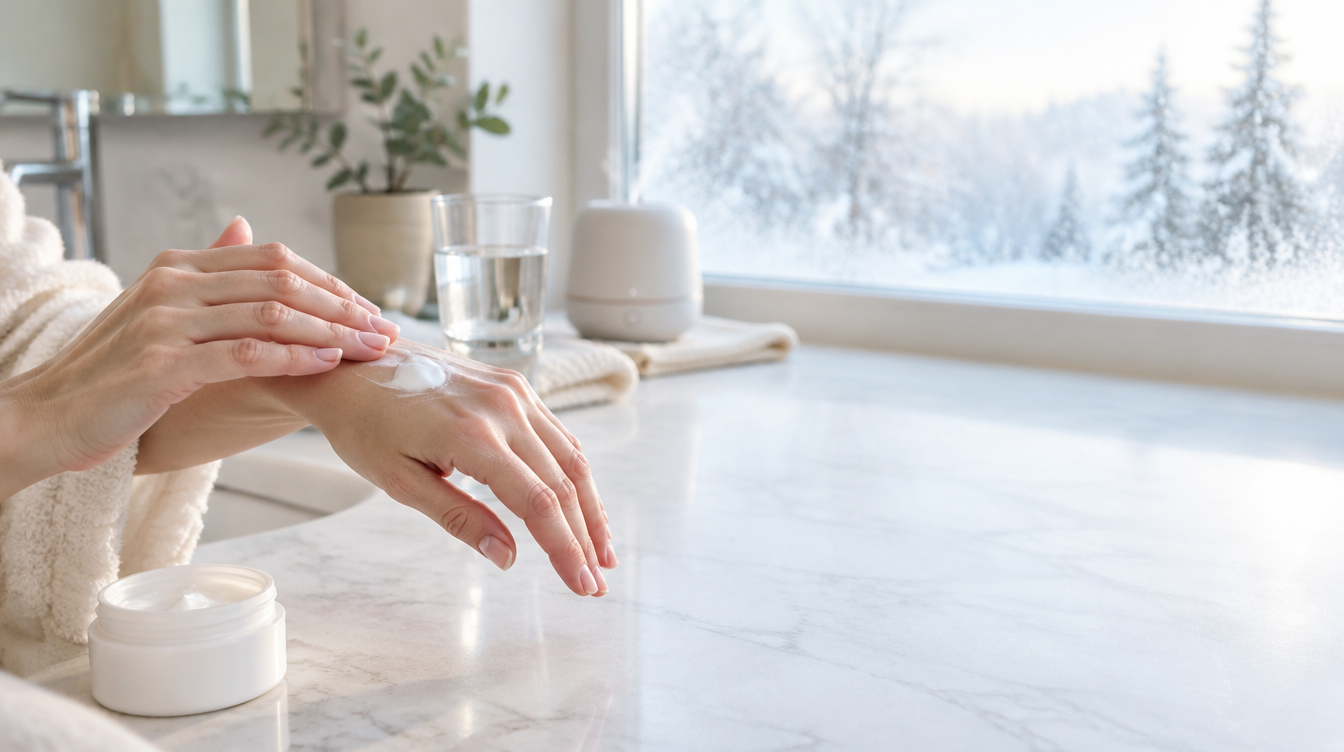
When you shower in hard water, calcium and magnesium minerals bind with your soap and body wash before they even reach your skin. The result is a filmy residue that doesn't fully rinse away. Many people in the Springfield area describe a squeaky, tight feeling after showering, which is not cleanliness. It's mineral buildup sitting on the skin.
Soft water changes the equation. Soap lathers fully, rinses completely, and your skin's natural oils are not stripped in the same way. People who have made the switch often describe it as feeling like they're washing in "real water" for the first time. Dermatologists note that hard water interferes with the skin's natural lipid barrier, leaving it more prone to dryness and irritation.
2. Real Relief for Eczema and Sensitive Skin Sufferers
This one has the research behind it. A major UK Biobank cohort study of over 306,000 adults found that people living in hard water areas had a 12% higher prevalence of eczema compared to those in soft water areas. Researchers estimated that approximately 451 cases per 10,000 people could be attributed specifically to hard water exposure. That's not a small number.
The mechanism makes sense. Hard water weakens the skin's barrier function, especially when combined with surfactants in soaps and shampoos. In people already prone to eczema or atopic dermatitis, this double-hit effect can trigger or worsen flare-ups. A 2025 study published in Dermatologic Therapy found that the quality of bathing water plays a measurable role in managing atopic dermatitis symptoms, particularly in children.
Families in Nixa, Ozark, and the broader Springfield metro who have dealt with persistent skin issues often report improvement after installing a softener. It is not a medical treatment, but removing a known irritant from daily bathing water is a reasonable first step.
3. Hair That Looks and Feels Noticeably Different
Hard water doesn't just affect your skin. The same mineral buildup that clogs your showerhead accumulates in your hair over time. Calcium and magnesium coat the hair shaft, making it feel rough, look dull, and tangle more easily. It also makes color-treated hair fade faster, which is a frustration many Springfield residents with color treatments know all too well.
Soft water allows shampoo to lather fully and rinse completely clean. The result is hair that's visibly shinier and easier to manage. Many people find they need significantly less conditioner after switching. Dermatology education platform LearnSkin notes that soft water leaves hair cuticles lying flat rather than raised, which is what creates that smooth, reflective appearance.
4. You Actually Drink More Water
This one sounds simple, and it is. Hard water often carries a bitter, metallic, or chalky taste. People in areas like Willard and Branson who rely on well water know this feeling. When water doesn't taste good, people reach for sodas, bottled drinks, or skip hydration altogether.
Soft water tastes cleaner and more neutral. When the water from your tap tastes good, you drink more of it. Proper hydration affects energy levels, digestion, skin clarity, joint health, and kidney function. It is one of the most foundational health factors there is, and your water's taste plays a bigger role than most people realize. The National Kidney Foundation consistently points to adequate water intake as a primary factor in kidney health and urinary stone prevention.
5. Cleaner Laundry Without Extra Detergent
This is a health benefit that shows up in your clothes. Hard water minerals react with laundry detergent and reduce its effectiveness. Families often compensate by using more detergent, which means more chemical residue left behind in fabric against skin all day. For children with sensitive skin or allergies, detergent residue in clothing is a real irritant.
Research cited by Fresh Water Systems shows soft water households use up to 50% less laundry detergent while achieving cleaner results. Clothes come out softer, colors stay brighter longer, and there is less chemical load sitting against skin throughout the day. For households with young children in Ozark and Nixa, this is a meaningful quality-of-life improvement.
6. Appliances Run Better and Last Longer
This is not strictly a "health" benefit, but it affects household stress, budget, and safety. Scale buildup from hard water accumulates inside water heaters, dishwashers, coffee makers, and washing machines. According to appliance efficiency research, scale buildup causes up to a 29.6% reduction in water heater efficiency. Tankless water heaters in high-hardness areas can fail or require full descaling in as little as 1.6 years.
When appliances work efficiently, you get hot water faster and consistently. When they fail, they create stress and expense. Protecting them with soft water is one of the highest-ROI changes a Springfield homeowner can make.
7. Better Sleep and Lower Stress From Fewer Daily Irritations
This one is harder to measure but consistently reported. When your skin feels dry and itchy after every shower, when your hair won't cooperate in the morning, when your water heater makes noise and your coffee maker leaves scale rings, those small irritations add up. Families who switch to soft water often describe a low-grade relief they didn't expect, the removal of a set of daily friction points they had accepted as normal.
Clean, comfortable water at home changes the texture of everyday routines. Showers feel better. Kids don't complain about itchy skin. Morning routines are a little smoother. These are not clinical outcomes, but they are real quality-of-life changes people in Springfield, Nixa, and across the Ozarks describe after making the switch.
Ready to find out what's in your water?
Aquasani is ready to help you with your water filtration needs. We serve Springfield and surrounding communities across the Ozarks.
Call 417-881-4000
or visit aquasani.net.
Frequently Asked Questions
Is soft water actually better for your skin than hard water?
Yes, for most people. Hard water minerals interfere with the skin's natural lipid barrier and leave residue that contributes to dryness, irritation, and in some cases eczema flare-ups. A large UK Biobank study found a 12% higher eczema prevalence in hard water areas. Soft water rinses cleanly and does not disrupt the skin barrier in the same way.
Can soft water help with eczema?
It can help reduce one of the contributing triggers. Soft water does not treat eczema as a medical condition, but removing a daily irritant from bathing water can reduce the frequency or severity of flare-ups in people who are already prone to the condition. The UK Biobank research supports this connection.
Does soft water make your hair grow faster?
Not directly. Soft water does not change hair growth rate. But it removes mineral buildup from the hair shaft, which reduces breakage and makes existing hair look and feel noticeably healthier. Less breakage means hair appears to grow more because less is being lost.
Is it safe to drink softened water?
Generally yes, for most healthy adults. Soft water does contain a small amount of sodium from the ion-exchange process, typically under 200mg per liter depending on the original hardness level. People on sodium-restricted diets may want to discuss with their physician or add a separate reverse osmosis drinking tap. RainSoft systems offer drinking water options for this reason.
How hard is Springfield, MO water compared to the national average?
Springfield's water tests at approximately 8.3 grains per gallon (142.5 ppm), placing it in the "hard" category. The U.S. average is around 7 gpg. Hard water is defined as anything above 7 gpg, so Springfield homeowners are dealing with water that is consistently above the threshold.
How long before you notice a difference after installing a water softener?
Most families notice changes within the first week. Skin and hair tend to be the first improvements people report. Appliance and plumbing protection takes longer to see but begins immediately. Scale buildup in pipes and water heaters gradually dissolves over weeks as soft water moves through the system.