Why Every Missouri & Arkansas Home Needs a Leak Detector (Before It’s Too Late)
Chris Coiner • December 22, 2025
There are two types of homeowners in this world:
1. Those who have had a massive water leak.
2. Those who will have a massive water leak.
Whether you live in Springfield, Nixa, Bentonville, Lake of the Ozarks, or anywhere across Southwest & South-Central Missouri or Northwest Arkansas, one universal truth remains: water does not care about your schedule, your budget, or your sanity. It will break something at the worst possible moment. Usually while you’re asleep, on vacation, or already stressed out.
That’s why leak detectors have quietly become one of the smartest upgrades a homeowner can install—right up there with a whole house water filter and water softener. Most people don’t think about leaks until they’re ankle-deep in water, and by then it’s too late.
Let’s break down exactly why leak detectors matter, how they work, where to put them, and how they save you thousands of dollars (and rage tears).
First: What Actually Causes Leaks?
Leaks aren’t dramatic at first. They start small. A tiny drip. A loose connection. A hairline crack. Most leaks don’t announce themselves—they hide and spread like a ninja with a plumbing license.
The most common causes in Missouri and Arkansas homes include:
- Aging plumbing
- Water heater corrosion
- Toilet supply line failures
- Dishwasher leaks
- Fridge ice maker line failures
- High water pressure
- Freezing temperatures
- Washing machine hose blowouts
- Failed water softener lines
- Foundation shifts
- Tree roots
- And good old-fashioned bad luck
The average homeowner doesn’t find a leak until it’s done weeks or months of damage. Walls. Floors. Cabinets. Electrical components. Insulation. Subflooring. It all becomes a sponge.
A leak detector solves that problem instantly.
What Is a Leak Detector?
A leak detector is a smart device that sits in the places leaks tend to start. The moment water touches it, it does what humans often don’t—it reacts immediately.
Depending on the system you choose, a leak detector can:
- Send you a phone alert
- Sound an alarm
- Shut off the water to the whole home
- Shut off water to the appliance
- Notify you at work, on vacation, or in your sleep
- Catch a leak before it becomes a disaster
Think of it like a smoke detector… but for your plumbing system.
Why Leak Detectors Are a Big Deal in Missouri & Northwest Arkansas
Our region is notorious for:
- Hard water scale
- Old plumbing
- Foundation movement
- Freezing winter snaps
- Sudden pressure spikes
- And homes with 3–5 bathrooms and long plumbing runs
Hard water, especially, destroys seals, fixtures, fittings, and water heaters from the inside out. This creates tiny leaks long before anything visibly fails. A leak detector acts as your early warning system.
The Average Household Water Leak Costs $4,000–$15,000
- Replace flooring: $2,000–$8,000
- Repair drywall: $700–$3,000
- Replace baseboards: $300–$1,500
- Treat mold: $1,000–$4,000
- Cabinet replacement: $1,200–$6,000
- Insurance deductible: $1,000–$2,500
- Emotional damage: priceless
And here’s the kicker: most water leaks aren’t covered fully by homeowners insurance, especially if they were slow leaks.
A $50–$200 leak detector can prevent all of that.
Silent Leaks Are the Real Problem
Not every leak is adramatic burst pipe. Many leaks happen behind the scenes.
These are the leaks that destroy a home from the inside out:
- Under the water heater
- Behind the dishwasher
- Behind the fridge
- Under sinks
- Behind the washing machine
- Inside walls
- Around toilets
- In the basement
- At the water softener
- At the main water line
By the time you smell something weird or notice a soft spot in the floor, the damage has already happened.
A leak detector catches it at the first drop.
The Two Main Types of Leak Detectors
There are dozens of brands, but leak detectors fall into two categories.
1. Standalone Leak Detectors (Basic)
These little devices sit on the floor and make noise when they get wet.
Pros:
Cheap
Easy to use
No installation needed
Cons:
Only alerts you if you’re home
No remote monitoring
No automatic shutoff
These are good, but limited.
2. Smart Leak Detection Systems (Best)
These connect to your Wi-Fi and monitor your home 24/7. Many come with an automatic shutoff valve that turns off the water main the moment a leak is detected.
Pros:
Instant phone alerts
Shuts off water automatically
You can monitor from anywhere
Great for travel or rental homes
Prevents major damage
Cons:
Slightly higher cost
Usually requires installation
Needs Wi-Fi
For most large homes in Missouri and Arkansas, a whole-home smart leak system is the way to go.
Where Leak Detectors Should Be Installed in Your Home
Here’s where pros place them, and where homeowners forget:
Water heater
Behind washing machine
Under kitchen sink
Behind refrigerator
Under every bathroom sink
Near toilets
In the basement
Near sump pump
At the water softener
HVAC drain pan
Dishwasher area
Around well pressure tank (if applicable)
If it uses water, feeds water, drains water, or touches water—put a leak detector near it.
Why Leak Detectors and Water Softeners Work Hand-In-Hand
Hard water is the number one cause of premature leaks in Missouri and Northern Arkansas homes.
Hard water destroys:
Fittings
Seals
Rubber lines
Heater tanks
Pipes
Water valves
Dishwashers
Washing machine hoses
When you install a water softener AND leak detectors, you’re protecting:
Your plumbing
Your appliances
Your water heater
Your flooring
Your sanity
The softener reduces damage.
The leak detector catches failure before it escalates.
Real Situations Where Leak Detectors Would’ve Saved Thousands
A customer’s water heater burst while they were at work. Ruined two rooms.
A fridge line failed overnight. Destroyed hardwood floors.
A washing machine line blew while the owners were on vacation. Insurance denied it.
A toilet seal cracked quietly for months. Mold behind the wall.
A water softener hose cracked, flooding the basement.
Each of these would have been prevented by a $50–$300 leak detection system.
Leak Detectors Also Protect Your Wallet in Another Way
Many insurance companies now offer discounts for homes with active leak detection systems. Some even reimburse part of the cost.
Because insurers know:
Leak detectors = fewer claims
Soft water = less plumbing damage
Whole house filters = fewer fixture failures
Smart monitoring = fewer disasters
This is the kind of upgrade that pays you back.
How Aquasani Helps Homeowners Protect Their Homes
Most homeowners don’t know:
Which leak detector is worth buying
Where every detector should go
Whether they need automatic shutoff
How to tie it into their plumbing safely
How to integrate it with a water softener
How to get the system sized for their home
Aquasani handles all of that.
We help homeowners across Southwest & South-Central Missouri and Northwest Arkansas protect their homes from leaks, hard water damage, and plumbing failures by installing:
Leak detection systems
Whole house water filters
Water softeners
Iron filtration
Reverse osmosis
Pressure regulation
And full water quality diagnostics
We don’t guess.
We test.
Then we solve.
The Best Time to Install Leak Detectors Is Before a Leak Happens
Once a leak starts, the damage begins instantly. Moisture spreads fast. Water doesn’t wait.
If you want:
Peace of mind
Lower insurance risk
Protected flooring and cabinets
A safer home
And fewer plumbing surprises
Leak detectors are the simplest and smartest upgrade you can make.
Protect Your Home Before It’s Too Late
If you’ve ever dealt with a leak—or want to make sure you never do—Aquasani can help you pick the right leak detection system for your home, install it professionally, and test your water to prevent leaks in the first place.
Call (417) 881-4000 for a free water analysis and leak protection consultation.
Your future self will thank you.
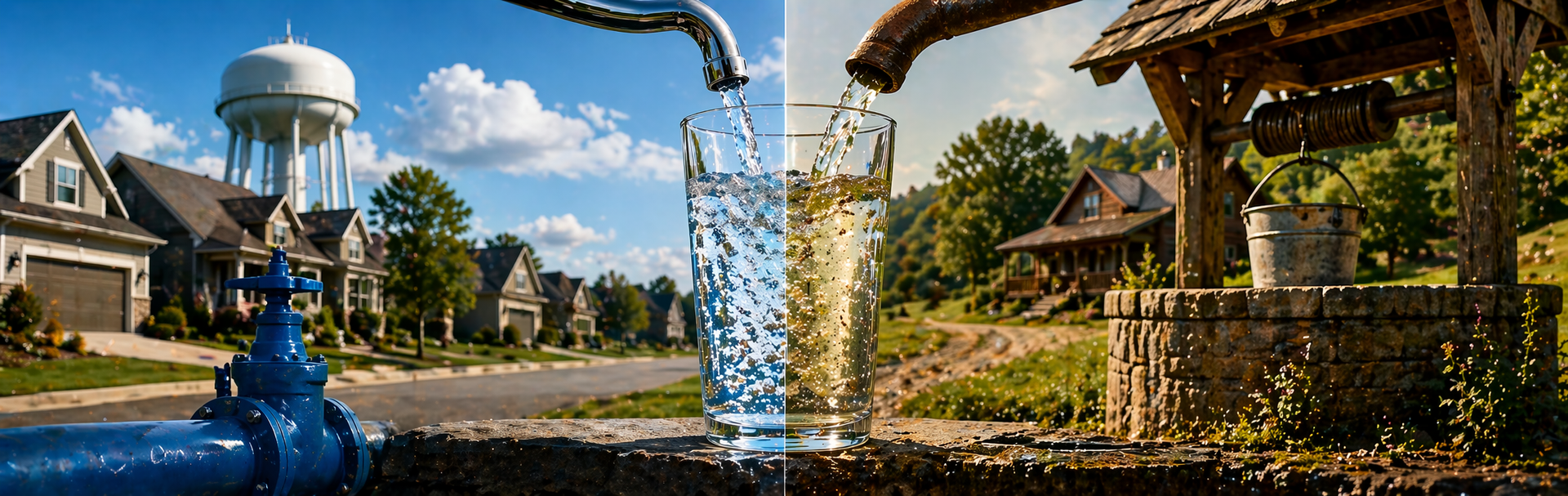
City water or well water? Both have hidden issues. Learn the differences and how to choose the right water treatment for your home.
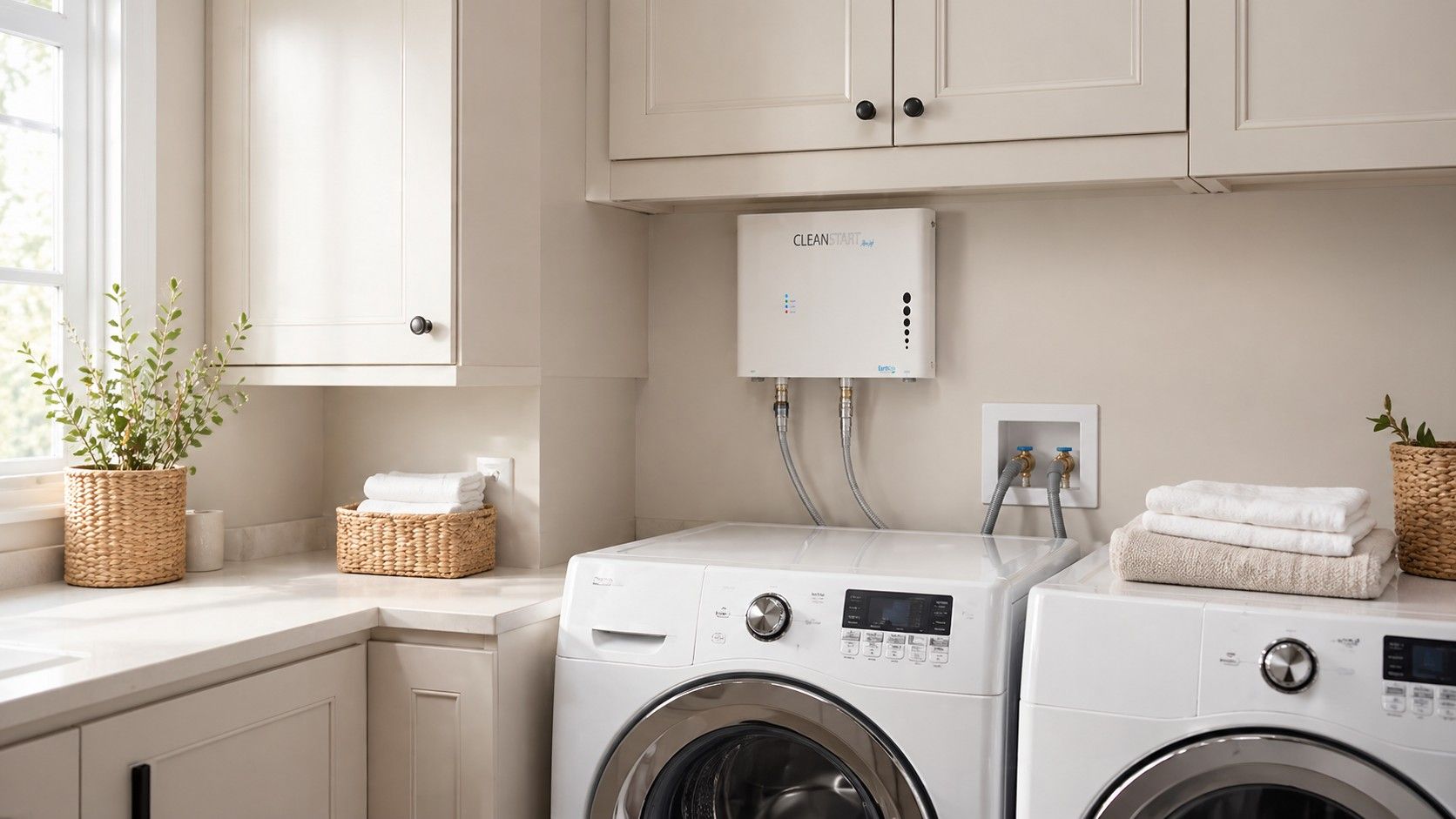
Families all around the Ozarks are washing clothes without detergent using RainSoft CleanStart. Learn how ozone laundry works and why homeowners love it.
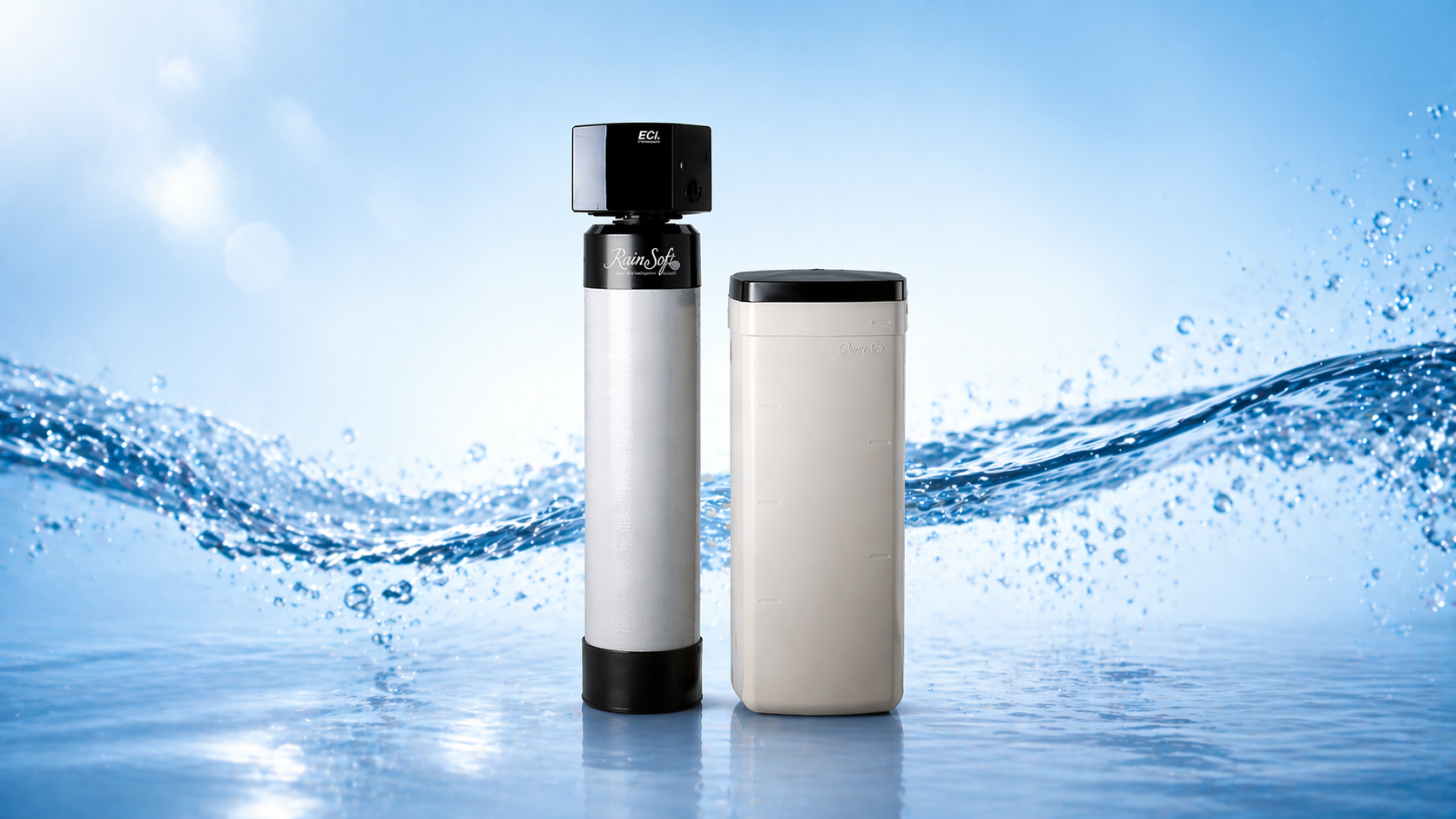
Discover how water softener systems work, their benefits, maintenance tips, and why they’re essential for your home. Learn everything about water softeners in this complete guide.

That smell in your water isn’t random. Learn what sulfur, iron, and bacteria odors mean and how to fix the problem at the source in your home.