Fireworks, Cookouts & Clean Water: A July 4th Guide
The Fourth of July is one of the best days of the summer. Family in the backyard, something good on the grill, and a sky full of fireworks after dark. You probably are not thinking about your water in the middle of all that, and you should not have to. Still, there is a neat little science story behind those fireworks and our local lakes, and a few easy things that make hosting a houseful of people a lot smoother. Here is the friendly version of both.
What Fireworks Leave Behind in the Water
Fireworks get their color and lift from a chemical called perchlorate. A lot of big shows are set off over lakes and rivers to keep things safe, so some of that perchlorate can settle into the water afterward. When researchers tested Boston's Charles River around the Fourth of July, perchlorate levels jumped about 330% right after the show, according to a study published through the National Institutes of Health. The encouraging part is that the spike was temporary and levels returned to baseline by the next morning.
Should You Actually Worry About It?
For most people enjoying the holiday, no. The bigger picture is that perchlorate is one of many things experts keep an eye on in surface water. At higher and ongoing levels it can affect how the thyroid works, which is why infants and young children are the most sensitive group, per the research on fireworks and lakes. The EPA is paying attention too, and in early 2026 it moved toward a first national drinking water standard for perchlorate. So enjoy the show. Just know that lake water and the water coming out of your kitchen faucet are two very different things.
Lake Water Is Not Home Water
This is the part worth remembering all summer. The water you swim in is not the water you drink. Lakes across the Ozarks see runoff from yards, farms, and older septic systems, and after heavy rain some swim beaches even close temporarily for high bacteria. None of that has to touch your glass at home, because home water is treated and, if you want extra assurance, can be polished right at the tap. If you are ever curious about what is in your specific water, a quick water analysis answers it. No pressure, just good information.
Now for the Fun Part: Hosting the Fourth
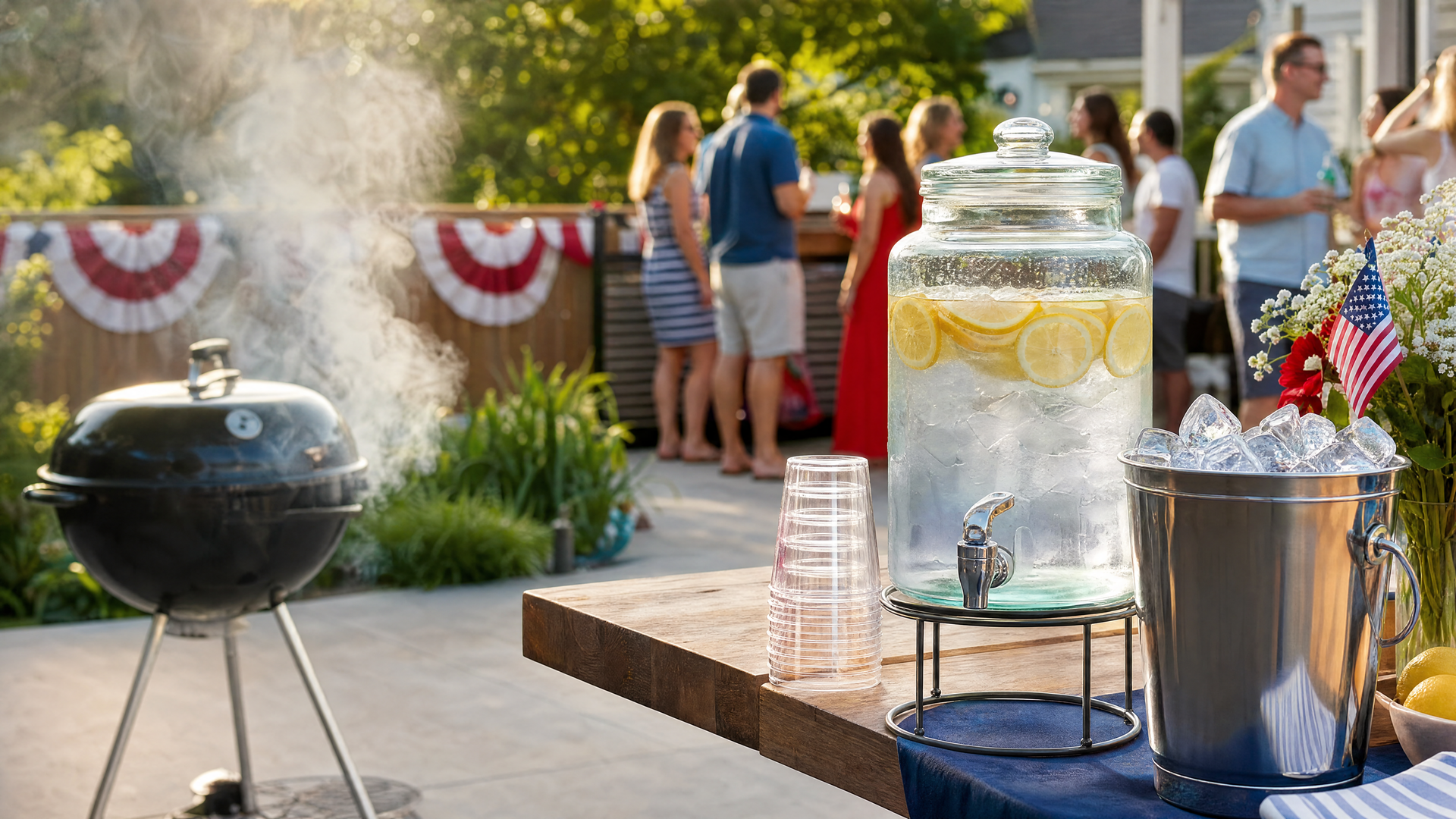
Here is where clean water quietly saves the day. Think about everything the Fourth runs on: pitchers of water and lemonade, a cooler packed with ice, watermelon getting rinsed at the sink, coffee for the early risers, and the dog's bowl getting refilled ten times. Great tasting water makes all of it better, and your guests really do notice when the ice does not leave a funny taste and the water actually tastes fresh.
A few easy host tips that go a long way:
- Make your ice a day ahead from filtered water so it is clear and clean tasting.
- Keep a big pitcher of cold filtered water in the fridge so nobody is reaching for single use bottles all day.
- Add cucumber, lemon, or a few berries to a drink dispenser for an easy crowd pleaser.
- Rinse produce and fill the coffee maker with the good water too. It shows up in the taste.
The Easy Upgrade Behind Better Tasting Water
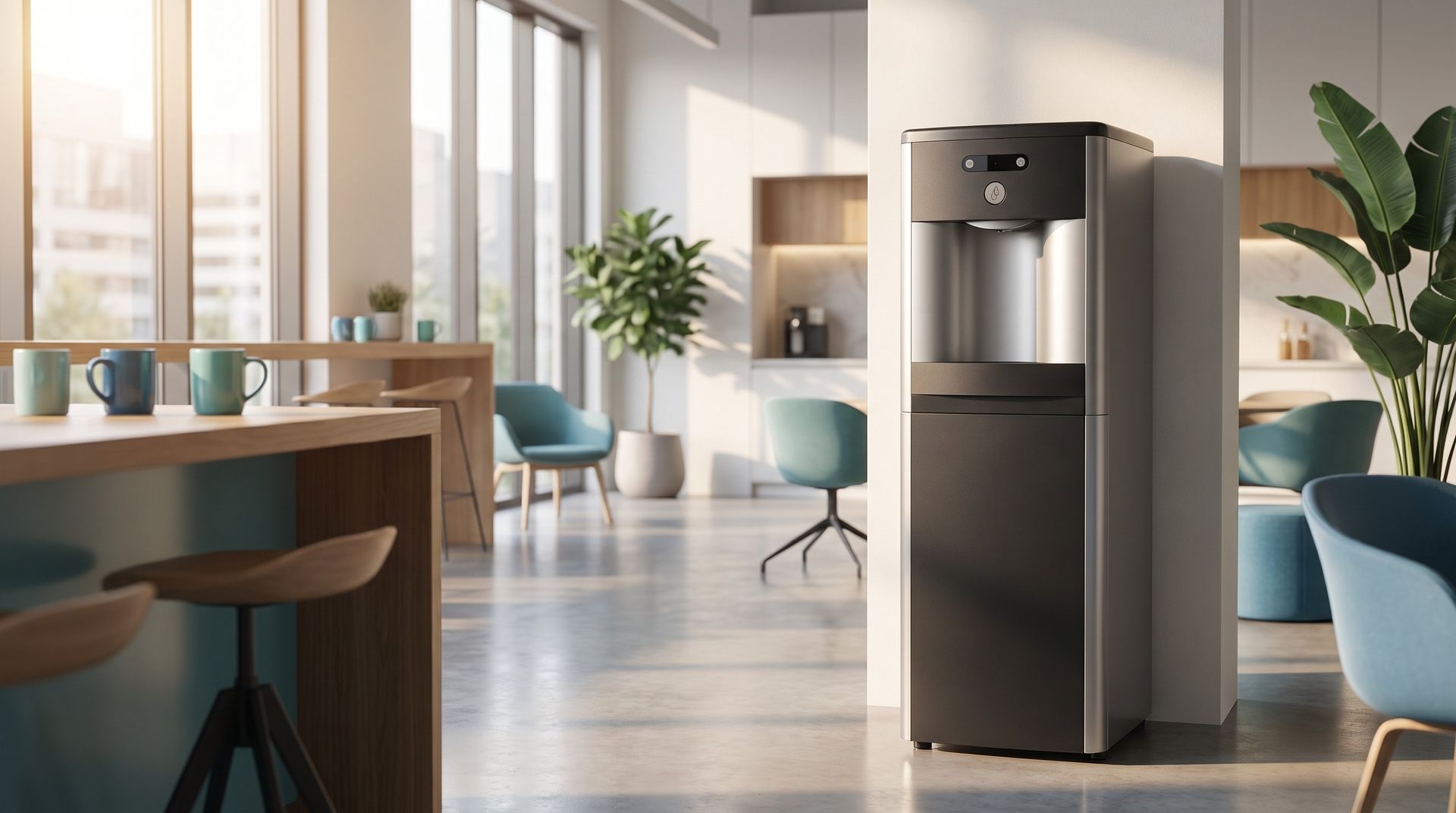
If your tap water has ever tasted a little like a swimming pool in the summer, or your ice has an off flavor, a quality drinking water system fixes that at the source. A reverse osmosis system is a popular choice because it pushes water through a fine membrane that reduces a wide range of contaminants. As a bonus for this time of year, RO systems certified to NSF/ANSI 58 can remove roughly 95% of perchlorate along with the everyday stuff that affects taste. Aquasani, an authorized RainSoft dealer, helps homeowners across the Ozarks and beyond pick the right setup so the water just works, holiday or not.
A Few Smart Water Habits for the Rest of Summer
The Fourth is just the kickoff to a long, hot stretch, and a little water know-how goes a long way from here through Labor Day. Heat changes how water behaves. Warm temperatures speed up bacterial growth, so utilities often add a touch more chlorine, and that is usually what people are tasting when their water seems stronger in July than it did in February. Out at the lake, summer is also peak season for algae and runoff, which is why you will see the occasional swim beach advisory after a big rain. None of it means you should stress over every glass. It just helps to understand what is normal for the season.
A handful of simple habits keep your home water at its best while everyone is coming and going:
- Run the tap for a few seconds first thing in the morning, since water that has been sitting in the pipes overnight is the most stale.
- Change your filters on schedule. Summer is when they work hardest with all the extra drinking, cooking, and ice making.
- Keep cold water in the fridge rather than letting guests run the tap all day, which saves water and tastes better.
- If you have well water, summer is a sensible time to think about a water analysis, especially after heavy storms move runoff around.
Frequently Asked Questions
Are fireworks safe to enjoy, and is it safe to swim in the lake afterward?
One evening of fireworks is safe for most people. The real health risks come from repeated exposure to firework smoke and particulate matter—not a single show. Research shows fireworks release heavy metals like lead and copper that can damage lungs and cells.
If you plan to swim after fireworks, perchlorate itself clears within hours, so that's not the main concern. The bigger issue is heavy metals and particles that settle in water: lead, copper, barium, and strontium. Children and pregnant women should wait until the next day. Adults can swim shortly after with minimal risk.
Bottom line: enjoy the holiday. If you have young children, respiratory issues, or heart problems, stay upwind of displays. If your lake tests water after fireworks, follow that guidance.
Does perchlorate from fireworks get into my home tap water?
For most homes, no meaningful amount. Treated municipal water and well systems are not the same as an open lake. If you want certainty about your own water, a water analysis will tell you exactly what is there.
What removes perchlorate from drinking water?
The EPA recognizes reverse osmosis, ion exchange, and biological treatment as effective. For a home, a reverse osmosis system certified to NSF/ANSI 58 reduces about 95% of perchlorate.
Why does my water taste stronger in summer?
Utilities often add a little more chlorine in warm months because it fades faster in heat. It is considered safe, but a filter or reverse osmosis system clears that taste at the tap.
What is the easiest way to have great water for a party?
Make ice ahead from filtered water and keep a cold pitcher in the fridge. A home filtration or reverse osmosis system makes both effortless and keeps the taste consistent.
Is reverse osmosis worth it for an average household?
Many families love it for everyday drinking, cooking, ice, and coffee. It improves taste and reduces a wide range of contaminants, and a local expert can size the right system for your home.
At the end of the day, the Fourth is about the people around your table, not the chemistry of your water. So fire up the grill, fill the cooler, and enjoy the show. A little awareness about where our water comes from just makes it easier to relax and enjoy the rest. From all of us at Aquasani, we are wishing you and your family a safe and happy Fourth of July weekend. Celebrate well, stay hydrated, and we will see you out there.