How Long Do Water Softeners Last
Chris Coiner • January 19, 2026
The body content of your post goes here. To edit this text, click on it and delete this default text and start typing your own or paste your own from a different source.
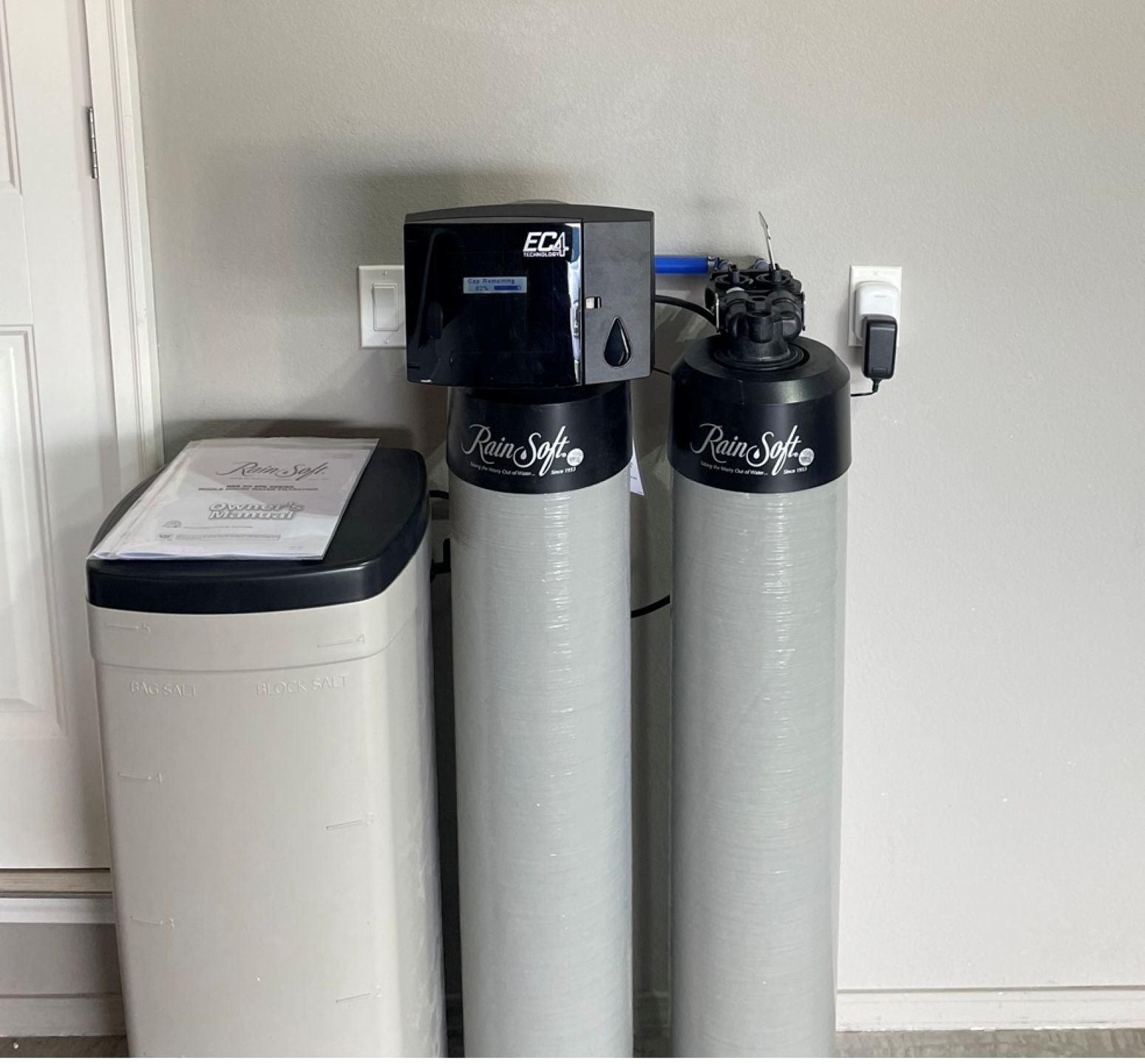
If you’ve ever looked into your brine tank and thought, “Eh, I’ll just dump the whole bag in,” congratulations — you are officially like every homeowner ever. Adding salt to a water softener feels like one of those chores you should be able to knock out in 10 seconds. Open lid. Pour salt. Close lid. Walk away like a hero. But wait — can you actually overfill a water softener with salt? And if you do, does your softener explode? Break? Sulk? File a formal complaint? Good news: your water softener will survive. Better news: you’re about to learn how to avoid the surprisingly common salt mistakes that cause efficiency problems, bad water, and expensive service calls. Let’s break it all down. First, What Does the Salt Even Do? Before we talk about overfilling, we need to explain why salt is in the tank in the first place. Your water softener uses a process called ion exchange — basically, it pulls hardness minerals (calcium and magnesium) out of your water and replaces them with harmless sodium ions. The salt in the brine tank creates the brine solution needed to “recharge” or regenerate the softener’s resin beads. No salt = no regeneration No regeneration = hard water Hard water = crusty faucets, angry appliances, crunchy laundry, and sadness So yeah… the salt matters. Can You Overfill the Salt Tank? Short answer: Yes — but not in the way you think. Dumping too much salt into the tank won’t break the machine by itself. BUT… overfilling can cause several annoying — and costly — problems: Salt bridges Salt mush Inefficient regeneration Low-quality softening Overflow issues Water not reaching the salt A softener that “runs” but doesn’t actually soften Most homeowners don’t realize this, but the salt level matters just as much as the type of salt you use. What Is a Salt Bridge? A salt bridge is a solid layer of hardened salt that forms across the top of the brine tank like a crusty white ice rink. It looks like the tank is full… But underneath the surface? There’s a giant hollow pocket where the water should be. When this happens, your softener can’t make proper brine and your water slowly becomes harder — even though the tank “looks” full. Overfilling the tank is one of the biggest causes of salt bridges. What Is Salt Mush? Salt mush happens when too much salt compacts at the bottom of the tank and turns into a thick, sludgy paste. This sludge prevents water from properly dissolving the salt and creates regeneration failures. It’s like your softener is trying to make brine out of wet cement. Again… overfilling is a major cause. How Much Salt Should You Actually Add? Here’s the rule of thumb most homeowners never get told: Keep your tank between 1/3 and 2/3 full — NEVER to the top. That’s it. That’s the magic ratio. If you fill the tank to the brim, the softener struggles to: dissolve salt evenly prevent compaction prevent bridging regenerate efficiently And that leads to hard water sneaking into your house even though your softener is “running.” But What If You Already Overfilled It? Relax. You didn’t ruin anything. Here’s what to do: Open the lid and gently poke around with a broom handle. If there’s a hard crust (salt bridge), break it up. If the salt is packed like concrete, scoop out the excess. Make sure you can see water in the bottom once the salt level lowers. Keep the tank between 1/3 and 2/3 full going forward. And if you’re not sure what’s going on in there? That’s what your local water nerds (hi, that’s us) are for. Will Overfilling Hurt the Softener Long-Term? Not usually. But it will: Make regeneration less effective Cause your softener to run more often Increase salt usage Reduce water quality Make your resin wear out faster Cause your water heater and appliances to scale faster Overfilling doesn’t “break” the system — it slowly sabotages its efficiency. Think of it like overfilling your car’s oil. The engine still runs… but it runs worse. Signs You’ve Been Overfilling Your Water Softener If you’ve been dumping salt in like you're feeding a goat at a petting zoo, look for these clues: Your soft water feels inconsistent Your dishes have spots Your skin feels dry Your shower doors start spotting Your water heater makes noise You’re refilling salt more often than normal The brine tank looks crusty You can't see water at the bottom Your softener regenerates but doesn’t soften Most people don’t connect these issues to salt levels… but they’re almost always related. What Type of Salt Should You Be Using? This matters more than most homeowners realize. Best options: Solar salt Pellet salt High-purity softener crystals Avoid: Rock salt Salt full of dirt, impurities, or large clumps Cheap salt = faster salt buildup = more bridging and mush. In Missouri and Arkansas, where water hardness is extreme, you want high-quality pellet salt for best performance. Why This Matters More in Missouri & Northwest Arkansas Our region has: Extremely hard water High mineral content Iron-heavy wells Older plumbing in many homes Large households using a lot of water This means your softener works twice as hard as systems in other parts of the country. And that means any salt-related issue becomes a BIG deal fast. Homeowners here: go through more salt regenerate more often experience bridging more often burn through resin faster So salt management matters. How Often Should You Add Salt? Most homeowners in Missouri and Northwest Arkansas should check their tank once a month. But here's the guideline: If the tank is 1/3 full → add more salt If the tank is 2/3 full → stop If the tank is full → remove some if needed Consistency is key. The #1 Mistake Homeowners Make Thinking that more salt = better softening. Not true. Your softener only needs enough salt to make the right concentration of brine. Anything beyond 2/3 full just creates problems. Should You Let the Tank Go Empty? No — don’t let it hit empty. When there’s no salt, the softener can’t remove hardness, and that starts damaging: Your water heater Your pipes Your dishwasher Your laundry Your shower doors Your skin and hair Aim for balance, not extremes. When to Call Aquasani If your softener is: not softening acting inconsistent burning through salt bridging constantly mushing constantly 10+ years old regenerating too often not regenerating at all …it needs professional eyes. Aquasani LLC (RainSoft of Springfield, MO) handles: salt bridge removal system clean-outs water testing softener diagnostics resin replacement new softener installations annual maintenance We fix water across Southwest & South-Central Missouri and Northwest Arkansas every single day. So… Can You Overfill a Water Softener With Salt? Yes — and most homeowners do it without realizing the consequences. But the good news? You didn’t ruin anything. You just need to: keep it 1/3 to 2/3 full use high-quality salt check for bridging and maintain it regularly Your water softener will reward you with: softer water cleaner dishes longer appliance life better laundry less scrubbing happier plumbing happier skin & hair Soft water is a luxury. Salt management is the maintenance. Want Us to Check Your System for You? Aquasani offers free water testing and complete water softener health checks across Southwest & South-Central Missouri and Northwest Arkansas. Call (417) 881-4000 and we’ll make sure your system is running like it should — no salt drama included.

Your dishwasher is trying its best. Really, it is. Every night it takes on a mountain of plates, bottles, glasses, coffee mugs, and whatever mystery utensils your kids swear they “didn’t use.” Unfortunately, if you live anywhere in Southwest & South-Central Missouri or Northwest Arkansas, your dishwasher is fighting a battle it cannot win alone. Because your water? Yeah… it’s the enemy. And your dishwasher is quietly begging for backup. This is the blog your dishwasher wishes you would read. Let’s talk about why your dishes look cloudy, why your appliance is struggling, and why your dishwasher is one more load away from filing a workplace grievance. Hard Water: The Hidden Villain in Your Kitchen In this region, hard water isn’t just common — it’s basically a personality trait. Our water is packed with calcium, magnesium, iron, and other minerals. Great for geology class, terrible for anything with moving parts. When that mineral-heavy water runs through your dishwasher, three things happen: It leaves a cloudy film on your dishes. It coats the inside of your dishwasher in chalky buildup. It slowly destroys the machine from the inside out. Your dishwasher isn’t broken — it’s being choked by hard water scale. The Real Reason Your Glasses Look Foggy Let’s address the most embarrassing part first: Your “clean” dishes don’t actually look clean. The white haze? The spots? The weird gritty texture? Those aren’t detergent issues. That’s hard water leaving behind tiny mineral deposits after every cycle. If you’ve ever had guests over and felt the need to apologize for your dishes — “Oh they’re clean, the water here is just weird…” — congratulations, you’ve officially been bullied by your tap water. Why Modern Dishwashers Hate Hard Water Even More Older dishwashers were tanks. You could throw anything in them — food scraps, utensils, maybe a sock — and they’d survive. But today’s dishwashers are built to be efficient, delicate, and environmentally friendly. Hard water, however, is a brute with no respect for efficiency. Hard water clogs spray arms. Hard water ruins heating elements. Hard water blocks detergent from dissolving. Hard water wears down seals and gaskets. Hard water forces longer cycle times. The end result? Your $1,000–$1,800 dishwasher ages like it smoked a pack a day in a coal mine. Most dishwasher failures in our region are directly tied to scale buildup. Hard Water Makes Your Detergent Work Overtime Hard water and soap do not get along. They cancel each other out like a toxic relationship. If you feel like you’re using twice the detergent and getting half the results, it’s not your imagination — it’s chemistry. Hard water prevents detergent from breaking down properly, which means: You need more soap for the same job. Your dishes still look dull. Your dishwasher smells funky. Your dishwasher works harder every cycle. If you’ve ever opened the door mid-cycle and seen undissolved detergent chilling in the dispenser… that’s your water calling you broke. The Inside of Your Dishwasher Probably Looks Disgusting Nobody ever checks inside their dishwasher until it’s too late. But if you did, you’d find: White chalky buildup on the walls Gunk around the heating element Clogged holes in the spray arms A crusty filter Mineral deposits in the pump And all of this buildup makes your dishwasher less efficient, louder, and more prone to breakdowns. If your dishwasher has started: running louder smelling musty taking longer leaving spots or not drying properly …hard water is quietly sabotaging it from the inside. The Average Dishwasher Repair Costs $200–$600 Replacing a dishwasher can cost $1,000–$2,000. Meanwhile… A water softener prevents ALL of the damage. Hard water is the reason dishwashers fail early. Soft water gives your dishwasher its dignity back. Soft Water Completely Changes How Your Dishwasher Performs When you install a water softener, your dishwasher basically says: “Finally… air to breathe.” Here’s what you’ll notice immediately: Your dishes come out sparkling and clear. Your glasses stop looking haunted. Your dishwasher runs quieter. Your detergent actually dissolves. Your dishwasher stops smelling weird. Your heating element lasts longer. Your appliance becomes more efficient. And the best part? Your dishwasher stops trying to survive and actually starts functioning as intended. Why Your Dishwasher Is Begging — Yes, BEGGING — for a Water Softener Let’s put this simply: Your dishwasher has one job: clean your dishes. Hard water has one job: prevent your dishwasher from doing its job. It’s a toxic work environment. A water softener is the HR department your dishwasher desperately needs. Soft water: protects the spray arms protects the pump protects the filter protects the heating element protects the seals extends the entire lifespan of the appliance You’re not just improving your water quality — you’re saving your dishwasher’s life. Missouri & Arkansas Hard Water Is Especially Brutal Our region has some of the highest hardness levels in the entire Midwest. Springfield? Nixa? Republic? Ozark? Branson? Lake of the Ozarks? Fayetteville? Bentonville? All extremely hard water zones. That means if your dishwasher is struggling… it’s not “user error.” It’s exclusively environmental. Homeowners here clean more, scrub more, buy more detergent, run more cycles, and still feel frustrated. But the truth is simple: You don’t have a dishwasher problem. You have a water problem. How to Tell If Hard Water Is Destroying Your Dishwasher If you notice any of the following, your dishwasher is crying for help: Cloudy glasses White film on dishes Soap residue Musty smell Longer cycle times Noisy operation Dishes not drying Spray arms clogging Dishes still dirty after a wash Rust or discoloration inside the machine One or two signs = mild hard water damage. Five or more = your dishwasher is in distress. All of them = your dishwasher is writing its will. A Water Softener Doesn’t Just Help — It SOLVES the Problem The moment you remove the hardness minerals from your water, everything changes: Your dishes shine. Your dishwasher runs better. Your appliance lasts longer. Your detergent works correctly. Your bills go down. Your frustration disappears. And if you pair your softener with a whole house water filter? You get clean, soft, great-tasting water everywhere. It’s the holy grail of low-maintenance home ownership. Why Homeowners Choose Aquasani Aquasani LLC (RainSoft of Springfield, MO) installs high-capacity water softeners designed specifically for the brutal hardness levels across Southwest & South-Central Missouri and Northwest Arkansas. We don’t install tiny, toy-sized systems like big box stores sell. We size your softener for YOUR home — the number of bathrooms, appliances, family members, and daily usage patterns. And we don’t guess what you need. We test your water for free and show you exactly what’s happening inside your pipes and your dishwasher. Ready to Give Your Dishwasher a Break? Hard water has been bullying your dishwasher for long enough. It’s time to end the abuse. Call (417) 881-4000 for a free water analysis and get a system that actually protects your home — and your sanity. Your dishwasher will thank you. Your dishes will thank you. Your eyes will thank you. Your guests will DEFINITELY thank you.
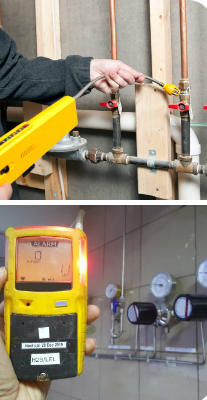
There are two types of homeowners in this world: 1. Those who have had a massive water leak. 2. Those who will have a massive water leak. Whether you live in Springfield, Nixa, Bentonville, Lake of the Ozarks, or anywhere across Southwest & South-Central Missouri or Northwest Arkansas, one universal truth remains: water does not care about your schedule, your budget, or your sanity. It will break something at the worst possible moment. Usually while you’re asleep, on vacation, or already stressed out. That’s why leak detectors have quietly become one of the smartest upgrades a homeowner can install—right up there with a whole house water filter and water softener. Most people don’t think about leaks until they’re ankle-deep in water, and by then it’s too late. Let’s break down exactly why leak detectors matter, how they work, where to put them, and how they save you thousands of dollars (and rage tears). First: What Actually Causes Leaks? Leaks aren’t dramatic at first. They start small. A tiny drip. A loose connection. A hairline crack. Most leaks don’t announce themselves—they hide and spread like a ninja with a plumbing license. The most common causes in Missouri and Arkansas homes include: Aging plumbing Water heater corrosion Toilet supply line failures Dishwasher leaks Fridge ice maker line failures High water pressure Freezing temperatures Washing machine hose blowouts Failed water softener lines Foundation shifts Tree roots And good old-fashioned bad luck The average homeowner doesn’t find a leak until it’s done weeks or months of damage. Walls. Floors. Cabinets. Electrical components. Insulation. Subflooring. It all becomes a sponge. A leak detector solves that problem instantly. What Is a Leak Detector? A leak detector is a smart device that sits in the places leaks tend to start. The moment water touches it, it does what humans often don’t—it reacts immediately. Depending on the system you choose, a leak detector can: Send you a phone alert Sound an alarm Shut off the water to the whole home Shut off water to the appliance Notify you at work, on vacation, or in your sleep Catch a leak before it becomes a disaster Think of it like a smoke detector… but for your plumbing system. Why Leak Detectors Are a Big Deal in Missouri & Northwest Arkansas Our region is notorious for: Hard water scale Old plumbing Foundation movement Freezing winter snaps Sudden pressure spikes And homes with 3–5 bathrooms and long plumbing runs Hard water, especially, destroys seals, fixtures, fittings, and water heaters from the inside out. This creates tiny leaks long before anything visibly fails. A leak detector acts as your early warning system. The Average Household Water Leak Costs $4,000–$15,000 Replace flooring: $2,000–$8,000 Repair drywall: $700–$3,000 Replace baseboards: $300–$1,500 Treat mold: $1,000–$4,000 Cabinet replacement: $1,200–$6,000 Insurance deductible: $1,000–$2,500 Emotional damage: priceless And here’s the kicker: most water leaks aren’t covered fully by homeowners insurance, especially if they were slow leaks. A $50–$200 leak detector can prevent all of that. Silent Leaks Are the Real Problem Not every leak is adramatic burst pipe. Many leaks happen behind the scenes. These are the leaks that destroy a home from the inside out: Under the water heater Behind the dishwasher Behind the fridge Under sinks Behind the washing machine Inside walls Around toilets In the basement At the water softener At the main water line By the time you smell something weird or notice a soft spot in the floor, the damage has already happened. A leak detector catches it at the first drop. The Two Main Types of Leak Detectors There are dozens of brands, but leak detectors fall into two categories. 1. Standalone Leak Detectors (Basic) These little devices sit on the floor and make noise when they get wet. Pros: Cheap Easy to use No installation needed Cons: Only alerts you if you’re home No remote monitoring No automatic shutoff These are good, but limited. 2. Smart Leak Detection Systems (Best) These connect to your Wi-Fi and monitor your home 24/7. Many come with an automatic shutoff valve that turns off the water main the moment a leak is detected. Pros: Instant phone alerts Shuts off water automatically You can monitor from anywhere Great for travel or rental homes Prevents major damage Cons: Slightly higher cost Usually requires installation Needs Wi-Fi For most large homes in Missouri and Arkansas, a whole-home smart leak system is the way to go. Where Leak Detectors Should Be Installed in Your Home Here’s where pros place them, and where homeowners forget: Water heater Behind washing machine Under kitchen sink Behind refrigerator Under every bathroom sink Near toilets In the basement Near sump pump At the water softener HVAC drain pan Dishwasher area Around well pressure tank (if applicable) If it uses water, feeds water, drains water, or touches water—put a leak detector near it. Why Leak Detectors and Water Softeners Work Hand-In-Hand Hard water is the number one cause of premature leaks in Missouri and Northern Arkansas homes. Hard water destroys: Fittings Seals Rubber lines Heater tanks Pipes Water valves Dishwashers Washing machine hoses When you install a water softener AND leak detectors, you’re protecting: Your plumbing Your appliances Your water heater Your flooring Your sanity The softener reduces damage. The leak detector catches failure before it escalates. Real Situations Where Leak Detectors Would’ve Saved Thousands A customer’s water heater burst while they were at work. Ruined two rooms. A fridge line failed overnight. Destroyed hardwood floors. A washing machine line blew while the owners were on vacation. Insurance denied it. A toilet seal cracked quietly for months. Mold behind the wall. A water softener hose cracked, flooding the basement. Each of these would have been prevented by a $50–$300 leak detection system. Leak Detectors Also Protect Your Wallet in Another Way Many insurance companies now offer discounts for homes with active leak detection systems. Some even reimburse part of the cost. Because insurers know: Leak detectors = fewer claims Soft water = less plumbing damage Whole house filters = fewer fixture failures Smart monitoring = fewer disasters This is the kind of upgrade that pays you back. How Aquasani Helps Homeowners Protect Their Homes Most homeowners don’t know: Which leak detector is worth buying Where every detector should go Whether they need automatic shutoff How to tie it into their plumbing safely How to integrate it with a water softener How to get the system sized for their home Aquasani handles all of that. We help homeowners across Southwest & South-Central Missouri and Northwest Arkansas protect their homes from leaks, hard water damage, and plumbing failures by installing: Leak detection systems Whole house water filters Water softeners Iron filtration Reverse osmosis Pressure regulation And full water quality diagnostics We don’t guess. We test. Then we solve. The Best Time to Install Leak Detectors Is Before a Leak Happens Once a leak starts, the damage begins instantly. Moisture spreads fast. Water doesn’t wait. If you want: Peace of mind Lower insurance risk Protected flooring and cabinets A safer home And fewer plumbing surprises Leak detectors are the simplest and smartest upgrade you can make. Protect Your Home Before It’s Too Late If you’ve ever dealt with a leak—or want to make sure you never do—Aquasani can help you pick the right leak detection system for your home, install it professionally, and test your water to prevent leaks in the first place. Call (417) 881-4000 for a free water analysis and leak protection consultation. Your future self will thank you.
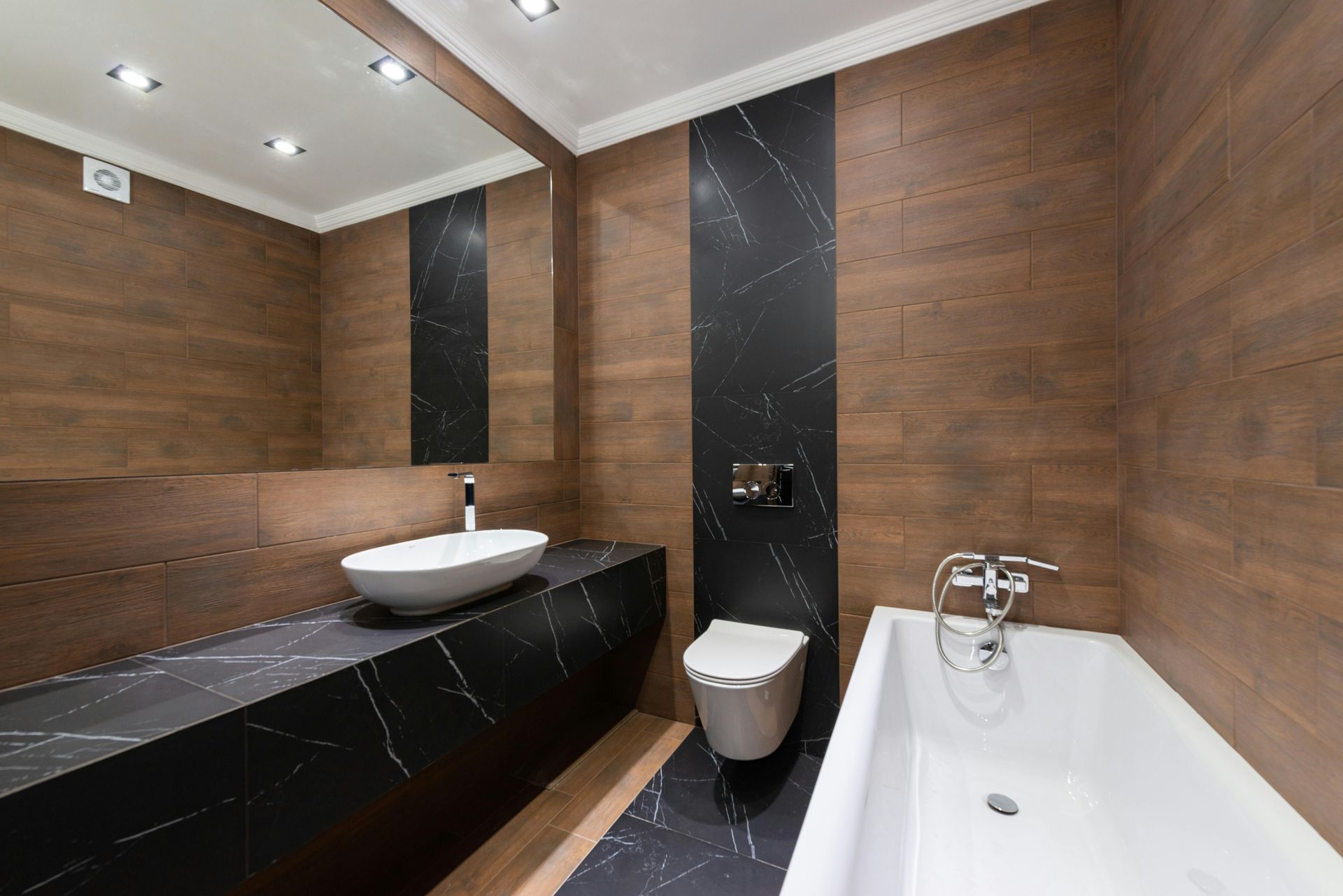
IMPORTANT NOTE FROM AQUASANI: These stories are fictional and created solely for your amusement. Even so — our techs have walked into some crazy situations over the years. Please don’t make any of these stories a reality. If you need help with your whole-house water filtration system, softener, or have questions about your water, Call RainSoft of Springfield, MO / Aquasani today at (417) 881-4000. We’re here to keep your water clean… and your house out of the next edition of this series. Charlie upgraded EVERYTHING to voice-activated controls — lights, blinds, thermostat, doorbell… and unfortunately… the toilet. One night the smart hub glitched and began replaying stored voice commands: “FLUSH.” “FLUSH.” “FLUSHFLUSHFLUSHFLUUUUSH.” 147 times. The fill valve couldn’t keep up. The running toilet overflowed. The water bill skyrocketed. The hallway carpet absorbed more water than a ShamWow. Aquasani replaced the fill valve and advised Charlie to disconnect his toilet from Wi-Fi. Charlie refused. The toilet is still listening.
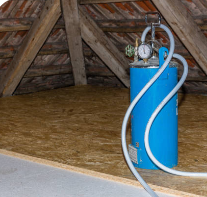

IMPORTANT NOTE FROM AQUASANI: These stories are fictional and created solely for your amusement. Even so — our techs have walked into some crazy situations over the years. Please don’t make any of these stories a reality. If you need help with your whole-house water filtration system, softener, or have questions about your water, Call RainSoft of Springfield, MO / Aquasani today at (417) 881-4000. We’re here to keep your water clean… and your house out of the next edition of this series. Bailey the Golden Retriever loved causing chaos almost as much as she loved treats. Her owners had just installed a touch-activated kitchen faucet designed to reduce water waste. Instead? Bailey discovered she could boop it with her nose. The faucet turned on. She booped again. It turned off. She booped again. It locked ON. By sunrise, they didn’t need a leak detector to tell them the entire downstairs now resembled an indoor splash pad. Their water usage doubled, the cupboards warped, and the basement ceiling grew a small, unintended waterfall. Aquasani shut off the water, fixed the faucet, and gently suggested: “Maybe… maybe no smart faucets for Bailey.” Bailey disagreed and demanded full access to her personal water feature.
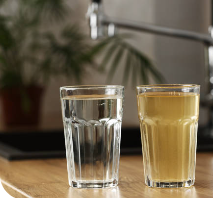
Every homeowner in Southwest & South-Central Missouri and Northwest Arkansas eventually hits a moment of clarity. Not the peaceful, spiritual “find yourself” kind. More like the “oh… my water has been betraying me for years” kind. If you’re not there yet, don’t worry. Your water is patient. It’ll get you eventually. Here are the seven stages every homeowner experiences when they finally realize their tap water is absolute garbage. Stage 1: Denial You see the cloudy shower door. You notice the weird taste in your tap water. Your dishes start coming out of the washer looking like they’ve been dusted in chalk. But you tell yourself, “It’s probably fine.” This is cute. But wrong. Stage 2: Annoyance Your skin is itchy. Your hair feels like frizzed-out straw. Your towels are stiff enough to be used as self-defense weapons. You start buying nicer shampoos, better detergents, fancy soaps… none of it helps. Hard water is standing in the corner like, “Yeah, keep wasting money. I’ll wait.” Stage 3: The Google Spiral You type in “why does my water taste weird.” Then “why are my towels crunchy.” Then “is my shower door supposed to look like frosted glass.” Congratulations. You’ve now learned more about minerals, calcium deposits, and plumbing destruction more than you ever wanted to know. Stage 4: Bargaining This is where things get sad. “If I clean more, will the stains stop?” “If I use better detergent, will my laundry stop smelling weird?” “If I pray hard enough, will my water heater stop making popcorn sounds?” Your water does not negotiate. Your water is a tyrant. Stage 5: Rage You snap. You’re scrubbing the shower like you’re reenacting a crime scene cleanup. Your faucets are crusty. Your coffee maker is slow. Your dishwasher is embarrassing you. You are now officially angry at water — something humanity needs to live. We’ve all been here. Stage 6: Acceptance You finally say the truth out loud: “My water sucks.” Not emotional. Not dramatic. Just factual. Like admitting the sky is blue or that Branson traffic is eternal. Stage 7: Salvation You call Aquasani LLC (RainSoft of Springfield, MO) and suddenly life is good again. Your shower glass actually looks like glass. Your towels don’t exfoliate you anymore. Your hair stops acting feral. Your water heater quits sounding possessed. Your appliances stop dying young. This is what peace feels like. Ready to Escape the 7 Stages? If you’re somewhere between Annoyance and Full Rage, you don’t have to stay there. Aquasani tests your water for free, shows you exactly what’s happening, and gives you real solutions that actually work. Call (417) 881-4000 to finally graduate to Stage 7.

Every morning, homeowners across Southwest & South-Central Missouri and Northwest Arkansas wander into their bathrooms ready to face the day. Coffee brewing. Shower running. Life feels good. What most people don’t realize is that hard water is lurking in the background sabotaging the entire morning routine like a petty little gremlin with a grudge. If your mornings feel slightly chaotic, a little frustrating, or just… crunchy, it might not be you. It might be your water. Here are the top ten ways hard water quietly ruins your morning before you even get out the door. Your Shower Never Feels “Clean Enough” You know that moment when you rinse the soap off your body but somehow still feel like you’re coated in something? That’s not imagination. That’s hard water reacting with soap and creating a film that sticks to your skin like cling wrap. Instead of washing soap away, hard water glues it to you. This leaves your skin feeling tight, dry, dull, and craving lotion before you even make it to the mirror. Why it happens Hard water minerals bond with soap and refuse to rinse away. It's the soap scum you see on your shower walls—just, you know… on your body. Your Hair Has Mood Swings Some days it feels dry. Some days it’s frizzy. Some days it feels like shredded wheat. The culprit is almost always hard water. Minerals coat each strand, blocking moisture from getting in and making shampoo harder to rinse out. You shouldn’t need a chemistry degree just to get your hair to behave before 8 a.m. Real talk for large-home bathrooms The bigger the home, the bigger the plumbing layout, meaning the water sits in pipes longer. Hard water becomes even more potent by the time it reaches your shower. Your Shower Glass Looks Foggy No Matter How Much You Clean It You scrub. You spray. You swear. And the glass just laughs at you. Those cloudy patterns that refuse to leave are hard water minerals drying on the surface. The moment you clean them off, fresh ones appear like ghosts from a limestone graveyard. The engagement moment Every homeowner reading this will think about their own shower door. And that’s exactly why this blog pulls people in. Your Towels Smell… Weird If you’ve ever buried your face in a freshly washed towel only to get a faint whiff of “old basement” or “forgotten gym bag,” congratulations: you’ve met mineral buildup. Hard water prevents detergent from dissolving fully, so towels don’t get truly clean. Instead of soft and fluffy, they come out stiff, heavy, and slightly musty. Another reason mornings feel “off” Nobody starts the day feeling luxurious drying off with a crunchy towel. Your Coffee Maker Is Dying in Slow Motion Before your soul even wakes up, your coffee maker is screaming for help internally. Hard water causes scale buildup inside the heating element, which makes your morning brew taste metallic, bitter, or flat. If your coffee maker has ever taken longer than usual to brew, that’s scale slowing it down. In the Ozarks, this happens FAST In Springfield, Nixa, Branson, Ozark, and Bentonville, hard water scale builds three to four times faster than the national average. Your Water Heater Works Overtime Before Sunrise Think of your water heater as the unsung hero of your morning routine. Hot showers. Warm tap water. Cozy comfort. Now imagine pouring gravel into that tank every day. That’s what hard water minerals do. They settle at the bottom, block heating efficiency, raise energy bills, and shorten the heater’s life dramatically. If your water heater pops, crackles, or grumbles in the morning—it’s not haunted. It’s scaled. Why this matters for mornings If you ever run out of hot water mid-shower, that’s hard water messing with you. Your Soap Never Lathers Right Ever notice how you have to use double the shampoo, double the body wash, triple the detergent just to get the job done? Hard water kills lather. That means you buy more products, use more product, and still don’t get clean the way you should. Your spouse will absolutely tag you on this part “SEE?! THIS IS WHY OUR SHAMPOO RUNS OUT IN A WEEK!” Your Skin Feels Older Than It Should Hard water = dry skin. Dry skin = irritation. Irritation = uneven texture, dullness, and that tight “why do I feel dehydrated?” feeling the moment you dry off. Many dermatologists in Missouri quietly blame hard water for skin issues that homeowners think are allergies, aging, or genetics. Your morning lotion addiction isn’t your fault It’s the water. Always has been. Your Clothes Don’t Feel or Smell Fresh in the Morning Whether you’re grabbing a clean shirt for work or slipping into pajamas after a shower, hard water affects everything your skin touches. Laundry washed in hard water becomes stiff. Colors fade faster. Whites turn yellow. Clothes wear out early. And detergent buildup creates that weird “not quite clean” smell. Engagement booster line “Be honest: how many times have you rewashed a load because it didn’t smell clean?” Your Plumbing Starts the Day Already Exhausted Meanwhile… behind the walls… Hard water is coating your pipes, narrowing water flow, clogging fixtures, damaging appliances, shortening water heater life, and raising utility bills. Your whole home wakes up tired. And you feel it without realizing why. The part that gets shared on Facebook “Y’all… I think our water is out here ruining everything.” So How Do You Fix All of This? Here’s the simple truth: every one of these problems has the same source. Hard water. And once you remove the minerals, all ten of these morning frustrations disappear almost overnight. Install a water softener A high-quality water softener pulls out the calcium and magnesium causing: dry skin, dull hair, cloudy glass, crunchy laundry, low pressure, scale buildup, water heater damage, and constant cleaning battles. Soft water immediately changes how your home feels, not just how it functions. Add a whole house water filter This removes chlorine, sediment, unpleasant tastes, odors, discoloration, and chemical contaminants. It’s the perfect partner to a softener, especially in large homes with multiple bathrooms. The morning-after effect Once you fix the water, showers feel better, towels feel softer, hair behaves, appliances live longer, and your home suddenly feels… expensive again. What Homeowners Across Missouri and Northwest Arkansas Say After Installing a System “My coffee tastes better.” “My kids stopped complaining about itchy skin.” “I’m not scrubbing the shower every week anymore.” “Our water pressure is finally normal.” “Our towels don’t smell weird anymore.” “I feel like we upgraded the whole house.” These are actual reactions from homeowners just like your target audience. Ready to Take Your Mornings Back? If you’re tired of fighting your water every morning, Aquasani LLC (RainSoft of Springfield, MO) is here to fix it. We test water, diagnose the problems instantly, and install whole house water filtration systems and water softeners across Southwest & South-Central Missouri and Northwest Arkansas. Call (417) 881-4000 for your free water analysis and discover how much better your home feels with clean, soft water running through it.
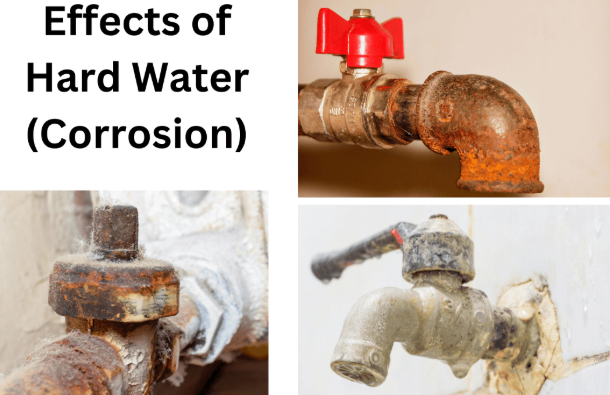
How Hard Water Quietly Destroys Your Plumbing Hard water is a sneaky little homewrecker. It doesn’t bang pots and pans or announce its arrival. It slips into your home completely unnoticed, flows through your pipes like everything is fine, and then—slowly, quietly, methodically—begins ruining your plumbing from the inside out. If you live anywhere in Southwest or South-Central Missouri or Northwest Arkansas, hard water is practically guaranteed. Our region sits on limestone-rich bedrock, which means your tap water is carrying a nice crunchy cocktail of calcium, magnesium, and iron straight into your pipes. And while these minerals won’t hurt you, they will absolutely beat the hell out of your plumbing, water heater, fixtures, and appliances. Here’s the full breakdown of what hard water is doing inside your home, why it’s worse here, and how to stop it before it costs you thousands. What Hard Water Actually Is Hard water simply means water that contains high levels of dissolved minerals—primarily calcium and magnesium. These minerals aren’t dangerous, but they’re extremely destructive when they accumulate inside the plumbing of a home. Every time you run a faucet, take a shower, or turn on your washing machine, those minerals are flowing through your pipes. And every time the water heats up or evaporates, the minerals separate from the water and turn into scale. Why Hard Water Is Worse in Missouri and Northern Arkansas The ground here is loaded with limestone, which dissolves into groundwater. Cities like Springfield, Ozark, Nixa, Republic, Branson, and Lake of the Ozarks all rank extremely high on national hardness scales. In some neighborhoods, the hardness levels are so high that water can destroy a water heater in just a few years. How Hard Water Quietly Eats Away at Your Plumbing When your water dries or heats up, the minerals cling to whatever surface they touch. Inside your plumbing system, that mineral buildup begins layering inside pipes and fixtures like plaque in an artery. Scale Buildup Inside Pipes Narrows Water Flow As scale coats the inside of your pipes, the diameter of the pipe effectively shrinks. The more it shrinks, the harder your plumbing system has to work to push water through. Over time, this leads to: reduced water pressure, clogged lines, higher stress on fittings, and eventual failures. In older homes, this can escalate into full pipe replacements—an expensive, invasive nightmare. Hard Water Attacks Your Water Heater First Your water heater is the front-line victim of hard water damage. When hard water is heated, the minerals rapidly separate and settle at the bottom of the tank. Over time, the sediment forms a thick, concrete-like layer that: reduces efficiency, traps heat, forces the burner to work harder, makes the heater pop, rumble, or crackle, and eventually causes tank failure. Many water heaters in the Springfield and Branson areas die 5–7 years earlier than they should because of untreated hard water. Replacing a water heater isn’t cheap—and doing it early is even more painful. Hard Water Eats Away at Faucets and Fixtures If you’ve ever seen white crust around your faucets, showerheads, drains, or toilet hardware, you’ve met scale buildup in person. What you’re seeing on the outside is only a preview of what’s happening inside the pipes behind the wall. Scale forms a rock-like layer that corrodes metal, clogs aerators, restricts flow, and permanently stains surfaces. Hard Water Damages Appliances Connected to Water Lines Your expensive appliances are quietly suffering, too. Hard water destroys: dishwashers, washers, refrigerators with ice makers, tankless water heaters, humidifiers, and coffee systems. The more minerals in the water, the faster these appliances fail. A home without a proper water softener is essentially sending all appliances into early retirement. Signs Hard Water Is Already Destroying Your Plumbing Most homeowners don’t realize they have a hard water problem until something breaks. But if you know what to look for, you can catch the damage early. Low Water Pressure: Minerals lining the inside of pipes restrict flow. If your pressure is slowly dropping over time, hard water is often the reason. White Crust on Faucets and Showerheads: Those chalky deposits are calcium and magnesium. If the outside looks like that, the inside is worse. Cloudy Shower Glass and Soap Scum Everywhere: Hard water binds with soap and creates film that sticks to everything—glass, tile, tubs, and sinks. Frequent Appliance Breakdowns: If your dishwasher or washing machine seems to die early, scale buildup is usually the culprit. Water Heater Noise: If your water heater sounds like it’s boiling rocks, that’s literally what it’s doing. Rust or Orange Stains: Iron in hard water leaves behind reddish-orange staining in toilets, sinks, tubs, and fixtures. Why Hard Water Costs Homeowners Thousands The damage from hard water compounds year after year. Without treatment, you’re looking at huge long-term expenses. Scale buildup increases your utility bills because your water heater works harder. Appliances fail years early. Plumbing lines clog and need replacement. Faucets corrode and lose pressure. And your home’s water-using systems become less efficient overall. Many homeowners don’t connect these symptoms to hard water, but once the minerals are removed, the difference is immediate. The Only Real Solution: Remove the Minerals Before They Enter Your Home Cleaning doesn’t fix hard water. Chemicals don’t fix hard water. Replacing fixtures doesn’t fix hard water. The only real fix is preventing the minerals from entering your plumbing system in the first place. Install a High-Quality Water Softener A water softener removes calcium and magnesium—the exact minerals responsible for scale buildup. Once those minerals are gone, your plumbing system stops accumulating scale overnight. With soft water: pipes last longer, water heaters run efficiently, appliances stop dying early, shower glass stays clear, and faucets and fixtures stop crusting over. Homeowners often say, “Why didn’t I install this years ago?” Pair It With a Whole House Water Filter for Best Results A water softener removes hardness minerals, but a whole house water filter removes chlorine, sediment, chemicals, and foul tastes and odors. Together, they give you: better-tasting water, cleaner fixtures, longer-lasting appliances, healthier skin and hair, and dramatically improved water quality throughout the home. Most large homes in our service area need both systems to fully eliminate the water problems caused by local groundwater conditions. How Aquasani Helps Homeowners Fix Hard Water Problems Aquasani LLC (RainSoft of Springfield, MO) has been testing and treating water across Southwest & South-Central Missouri and Northwest Arkansas for decades. We know exactly how brutal the hard water is here because we deal with it every single day. Our diagnostic water test reveals: how hard your water really is, whether iron or sediment is present, what contaminants need to be removed, and what size system your home actually needs. Bigger homes need higher-capacity systems, and most generic store units can’t handle Missouri water in a 3,000–5,000+ sq. ft. home. We size systems correctly so your plumbing, fixtures, and appliances stop suffering. Protect Your Plumbing Before the Damage Gets Worse Hard water won’t fix itself. The longer it flows untreated, the more damage it does. If you want to protect your plumbing, lower your bills, extend the life of your appliances, and stop fighting mineral buildup in your house, it starts with fixing the water. Call Aquasani today at (417) 881-4000 to schedule your free water analysis. We’ll show you exactly what’s in your water, how it’s affecting your home, and what your best long-term solution is.
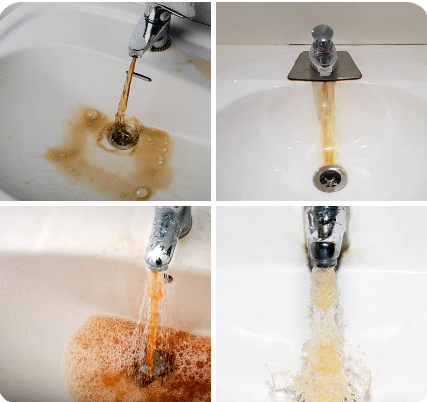
If you live near Lake of the Ozarks, you already know the water can get… spicy. Between iron deposits, aging wells, and mineral-heavy local geology, some homeowners start to notice their sinks, toilets, and showers slowly turning the color of a forgotten pumpkin pie. That’s exactly what happened to one lakeside family — until Aquasani stepped in with a whole-house solution that turned their water from rusty to remarkable. The Problem: When Your Home Starts Matching a Fall Color Palette When we first tested this home’s water, the iron levels were high enough to leave: • orange streaks in every toilet • rusty rings in the sinks • brownish-yellow tint in bathwater • that unmistakable metallic smell (the “Eau de Dockside” aroma) The homeowners had tried scrubbing. They had tried “iron removing” cleaners. They even tried pretending it wasn’t happening. Iron doesn’t care. It always wins — unless you treat the source. Aquasani’s Solution: Iron Elimination + Full Softening System Once we ran the water test (free, fast, and surprisingly fun), the fix was clear: Step 1: Install a RainSoft chemical-free iron filtration system Removes dissolved iron before it ever hits a faucet. Step 2: Add a high-capacity water softener Stops stain-forming minerals from building up again. Step 3: Rinse, reset, and watch the house glow The water turned clear instantly, and the fixtures slowly returned to normal as the stains lifted. The After: Crystal-Clean Water & Fixtures That Sparkle Again Within a few days, the family messaged us saying: “We forgot our tub was actually WHITE.” Here’s what clean water restores: • stain-free toilets and sinks • clear bathwater • no more rusty odor • dishes that don’t look pre-soaked in iced tea • laundry that actually comes out the color it went in No more orange. No more mystery rings. Just clean, neutral-smelling water the way it’s supposed to be. Why This Happens So Often at Lake of the Ozarks Lake-area water is notorious for: • iron-rich wells • mineral-heavy groundwater • outdated plumbing • seasonal fluctuations (especially late summer) Homes get stained fast. Systems fail faster. And many homeowners think scrubbing is the only option. It isn’t. Treat the water itself, and your whole home stops aging prematurely. Thinking Your Water Might Be Doing the Same Thing? If your sinks or toilets look like someone tried to dip-dye them, it’s time for a checkup. Aquasani LLC (RainSoft of Springfield, MO) is fixing water across Southwest & South-Central Missouri and Northwest Arkansas, including the entire Lake of the Ozarks region. We’ll test your water for free, show you exactly what’s in it, and give you a real fix — not a bottle of cleaner. 📞 Call 417-881-4000 for a FREE water analysis. Your house deserves water that doesn’t embarrass it.